
Filter Blog by Category
- All
- Advanced Wound Care
- Business News
- Collagen
- Consumer Wellness
- HealthcareNews
- Hydrocolloid
- Hydrogels
- Medical Device Fixation
- Microbiology
- Ostomy & Incontinence
- Ostomy & Incontinence
- Silicone Gel
- Wound Care Topicals
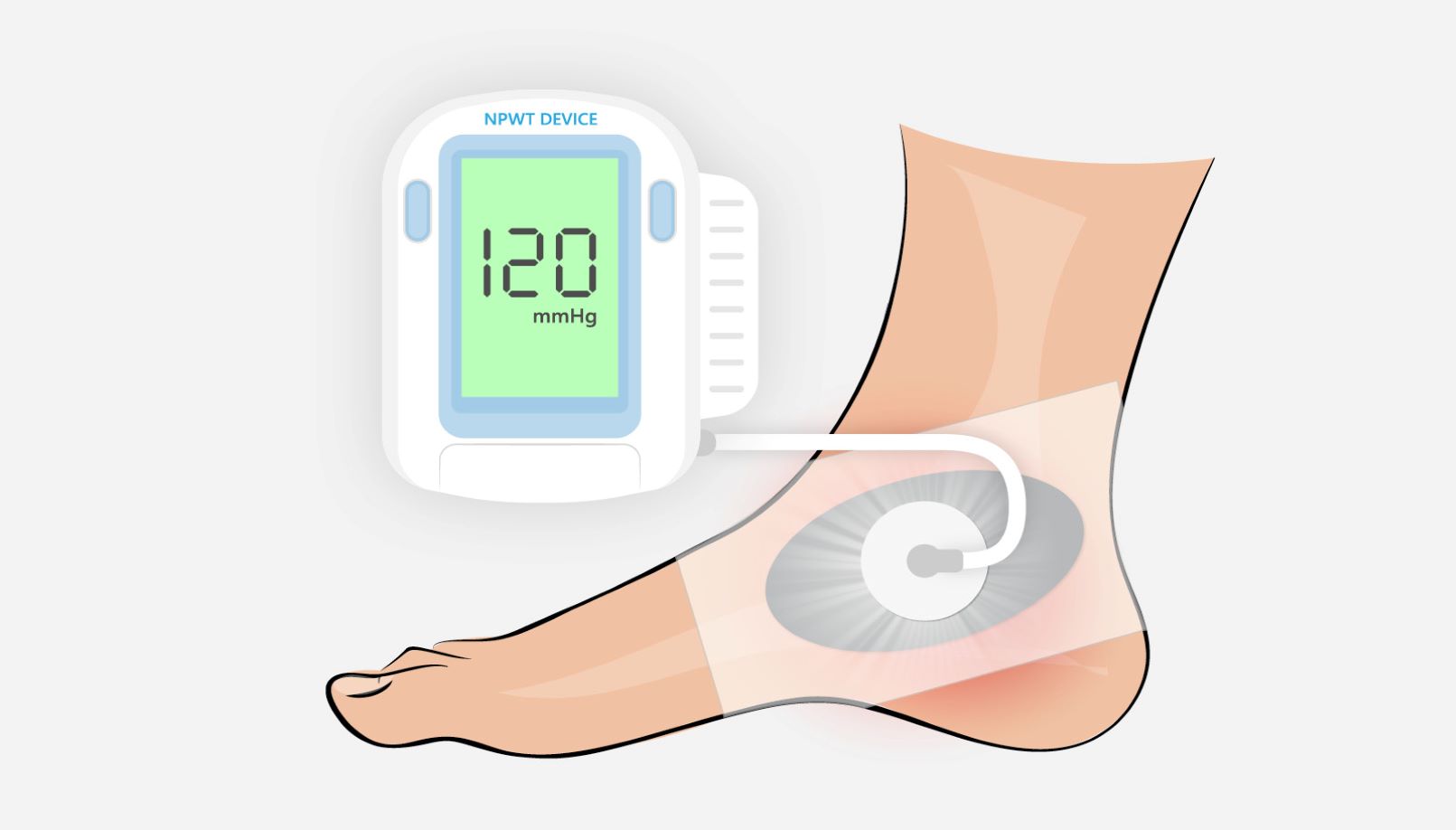
The Critical Role of Dressings in Negative Pressure Wound Therapy (NPWT)
Negative pressure wound therapy (NPWT), also known as vacuum-assisted wound closure or “wound vac,” refers to a system that applies sub-atmospheric pressure to a wound surface in order to draw out fluid and help promote faster healing with reduced risk of infection. This technique has become increasingly popular in the care, treatment, and management of numerous acute and chronic wounds.
Read More »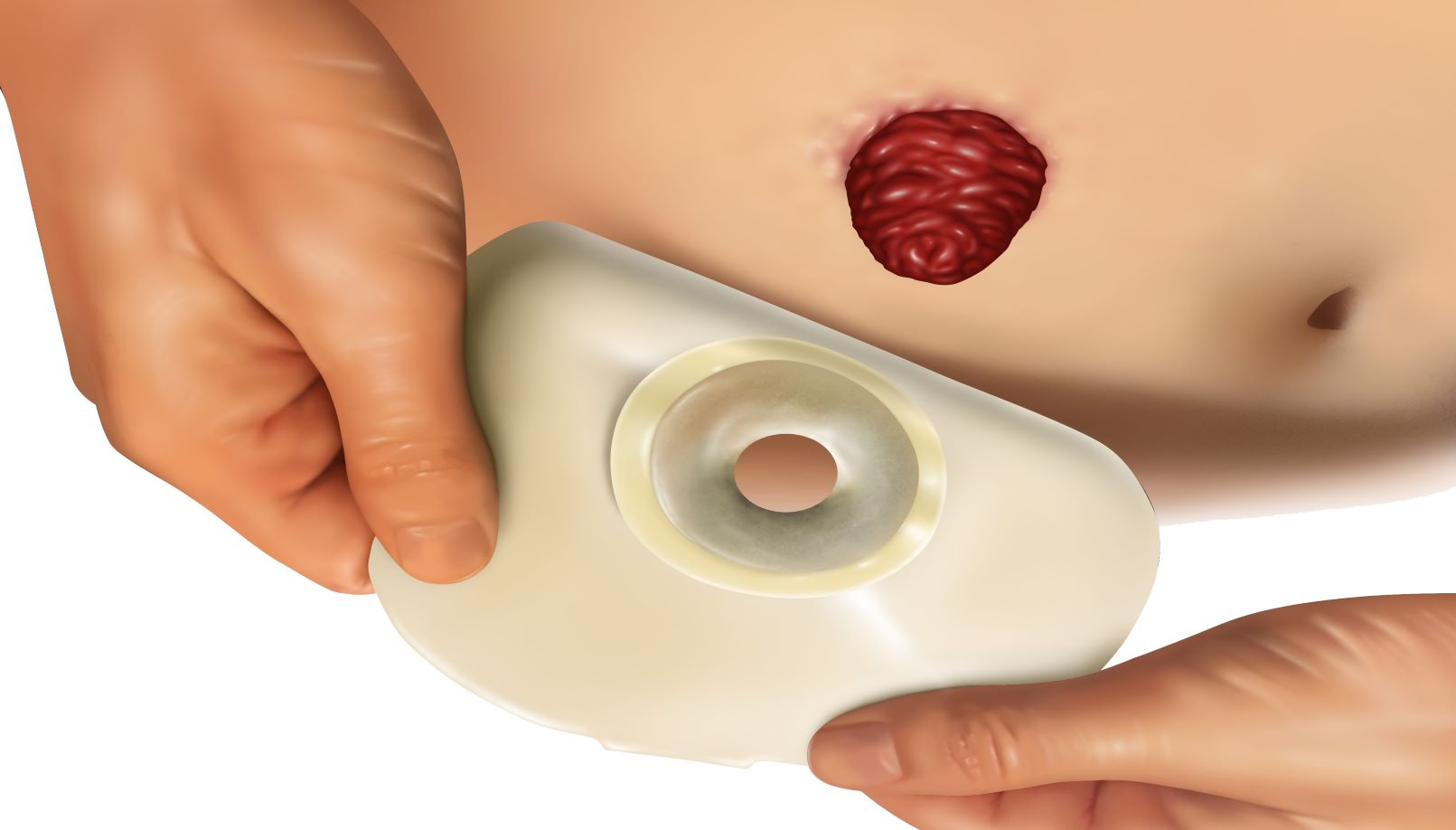
Benefits of Ostomy Skin Barriers for Peristomal Skin Care
Patients that have gone through an ostomy surgery, which is a procedure to open the abdominal wall to reroute body waste due to malfunctioning of urinary and digestive system, typically experience peristomal skin complications (PSCs) . The most common cause of these complications results from leakage from the stoma onto the skin, creating peristomal skin irritation and peristomal moisture associated dermatitis .
Read More »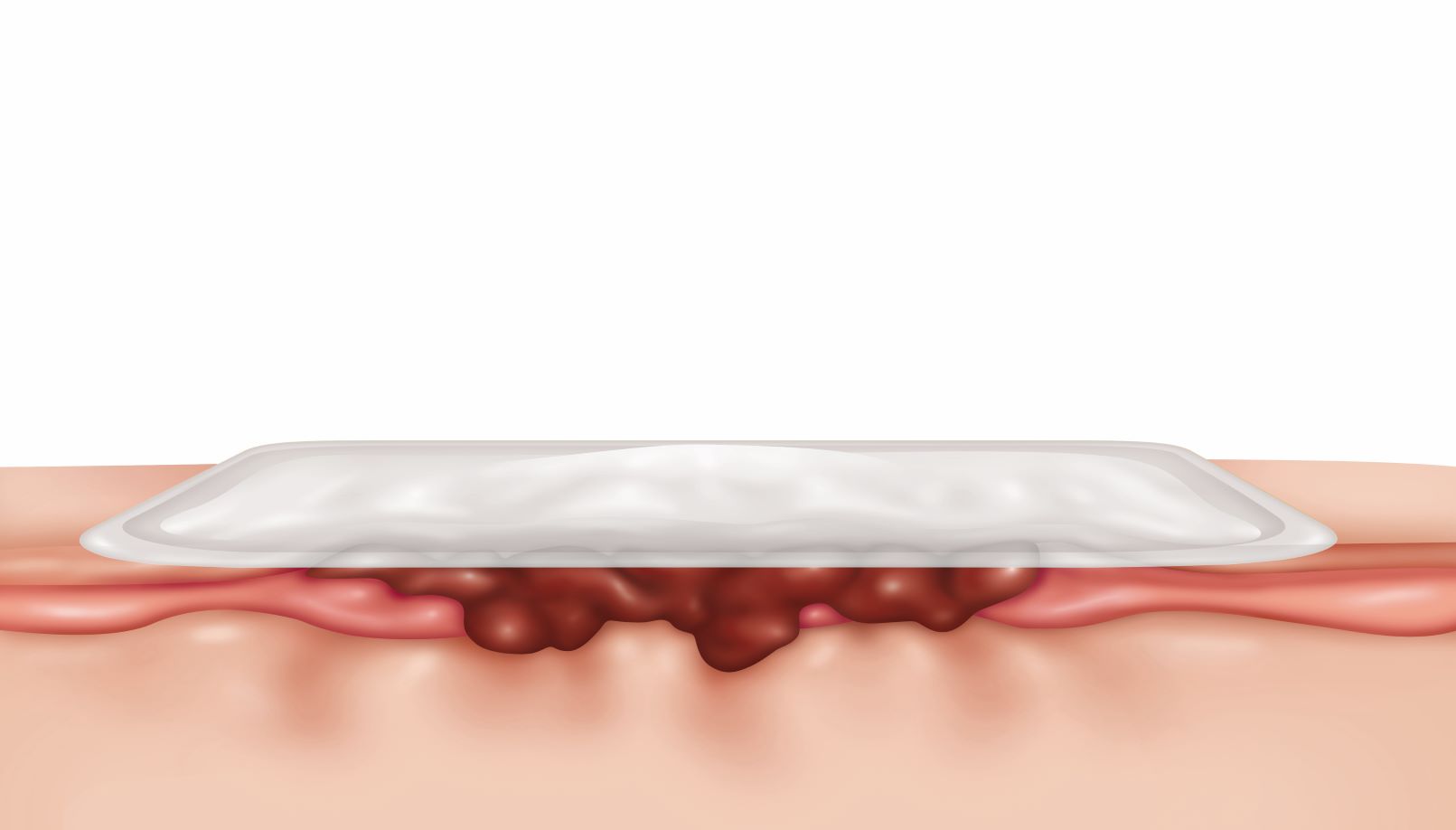
Role of Collagen in Wound Care
You may recognize “collagen” as an ingredient in many commercially available beauty serums, creams and capsules popular in the cosmetic industry, but collagen is also used in a variety of medical devices to treat chronic, non-healing wounds.
Read More »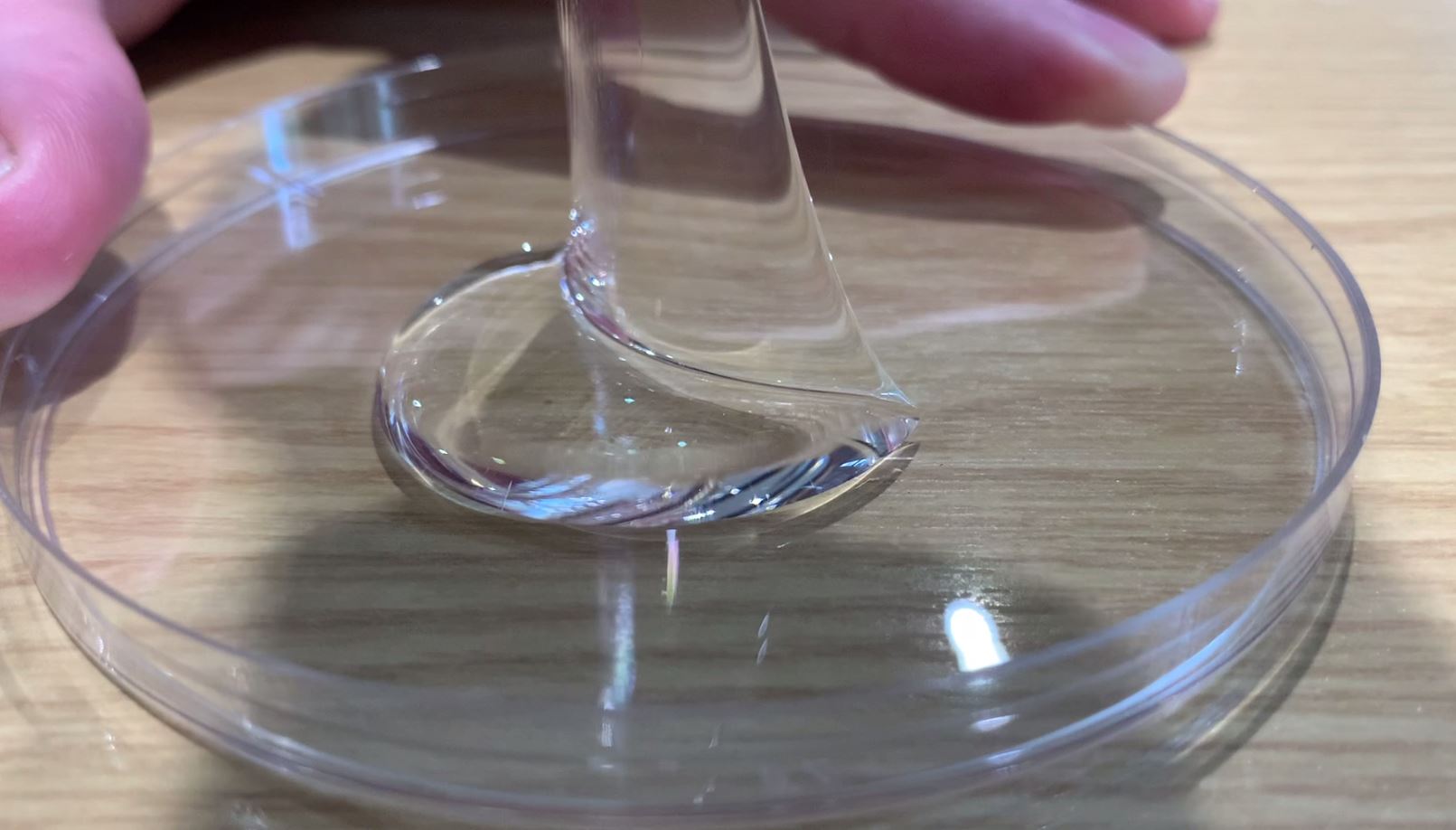
Smart Hydrogels and Their Applications in Tissue Engineering and Drug Delivery
Outside of wound dressings, many areas have been seen to benefit from the utilisation of hydrogel technology. Here we explore some of the smart gel technologies - a class of hydrogels - available, how they respond to a changing environment and their potential applications in the medical industry.
Read More »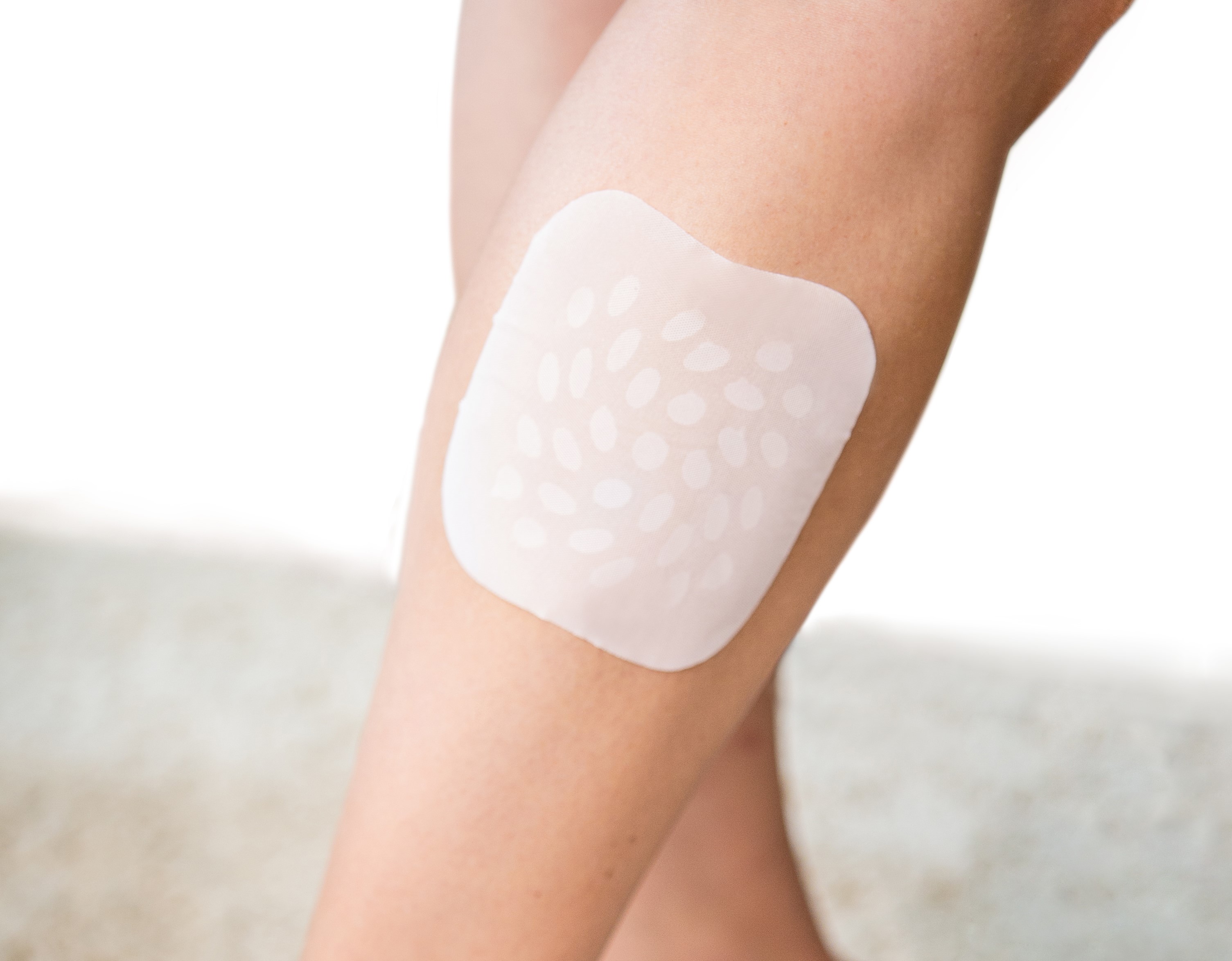
An Introduction to Hydrogels and Their Benefits Within Advanced Wound Care
As components of wound dressings, the benefits of the inclusion of hydrogels has been extensively explored. When incorporated into a wound dressing, hydrogels offer many distinctive benefits over other dressing materials.
Read More »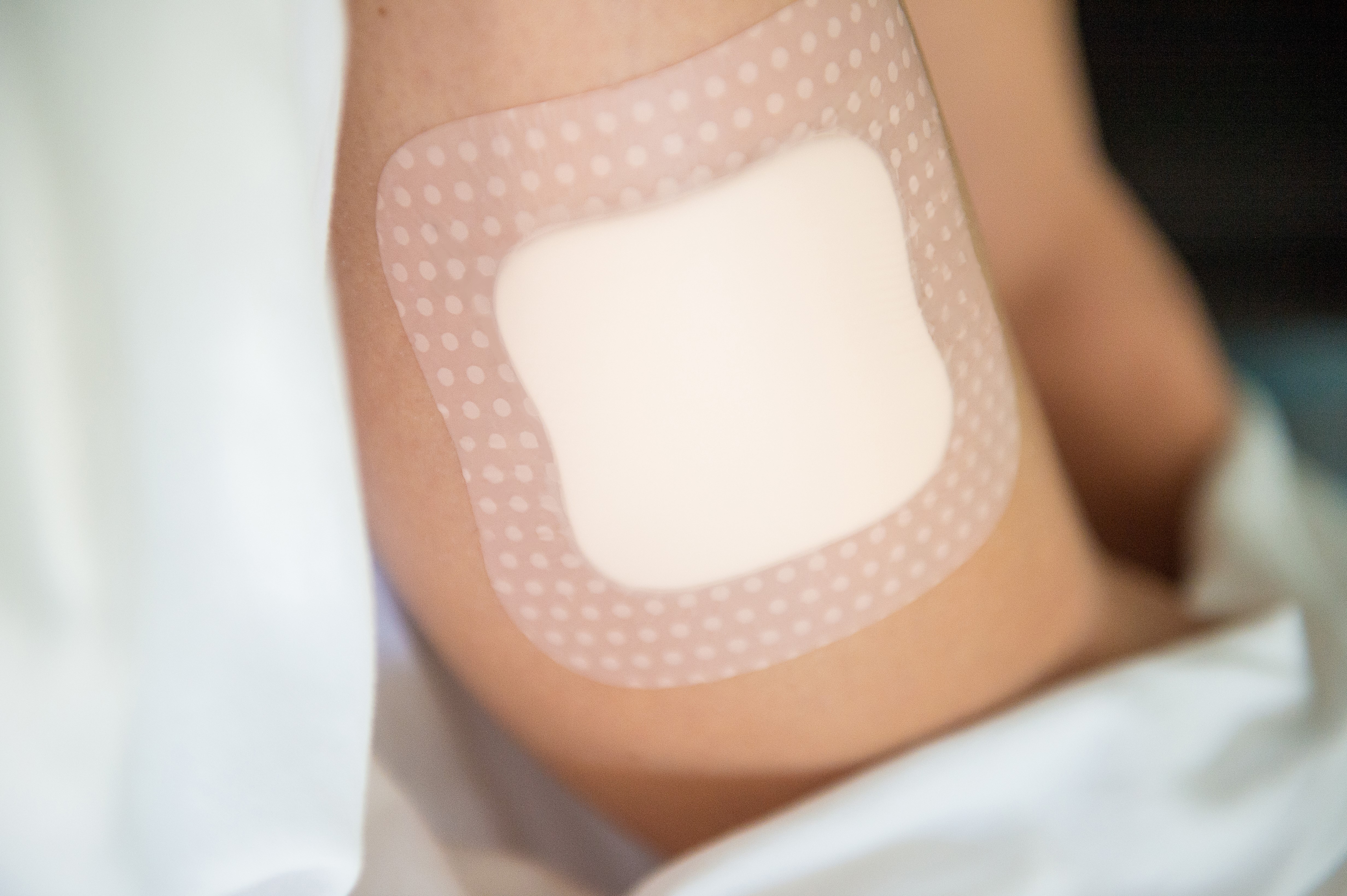
Benefits of Silicones and PU Gel Adhesives for Skin Fixation Applications
There are key differences between acrylic adhesives and silicone and PU gel adhesive technologies with several benefits to consider when deciding which to use for a skin adhesive dressing.
Read More »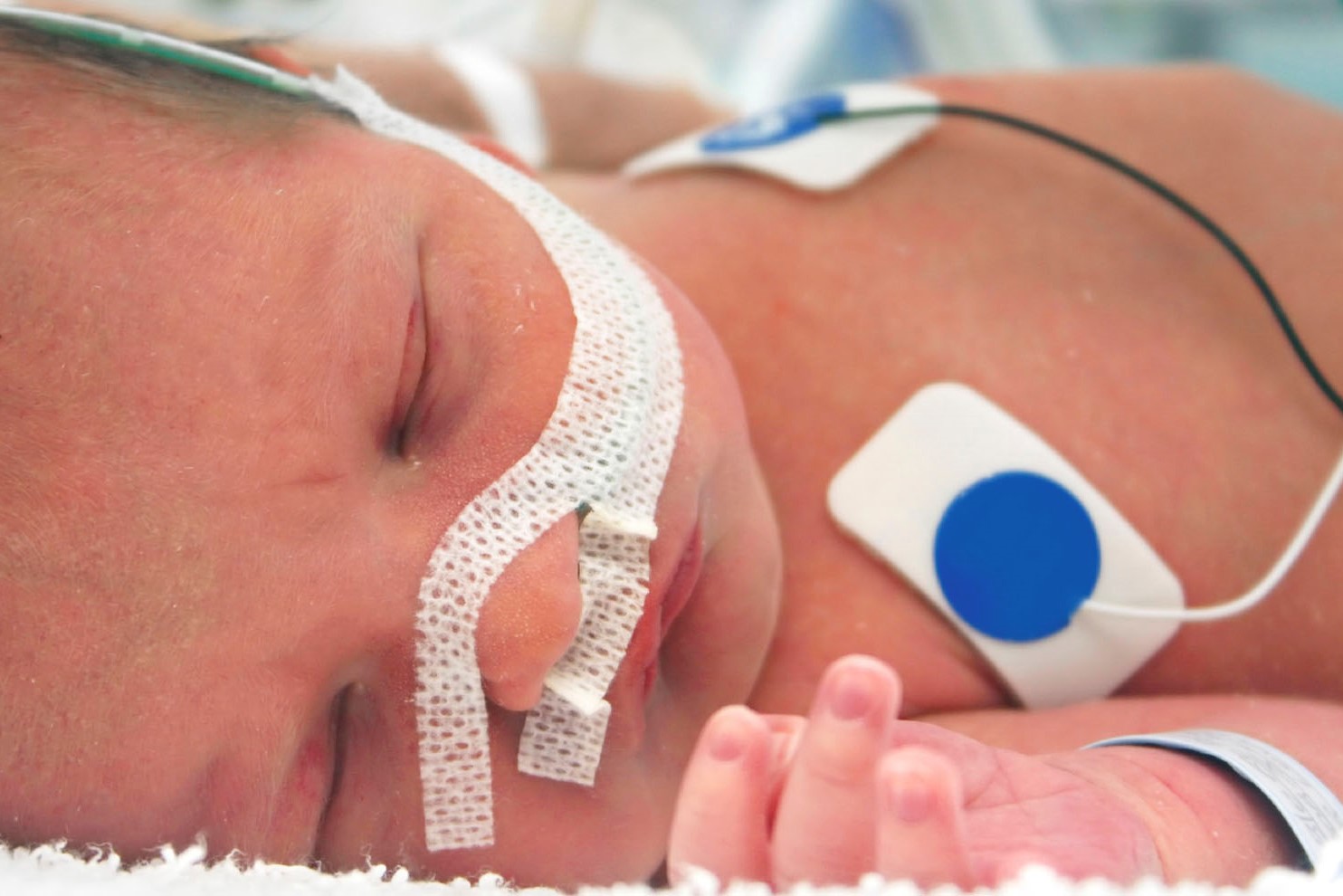
How Medical Adhesives Are Used in Healthcare Applications
Medical-grade adhesives are typically coated on a variety of backings to form medical fixation materials. When creating any medical-grade adhesive, careful consideration should be taken in the selection of the proper adhesive type, backing substrate and coating technique.
Read More »
Key Considerations When Selecting a Medical Device CDMO
OEMs should select a partner that not only adds value during the entire development and manufacturing process, but also is able to rapidly adapt to unplanned market disruptions, navigate supply chain interruptions, optimize costs and more.
Read More »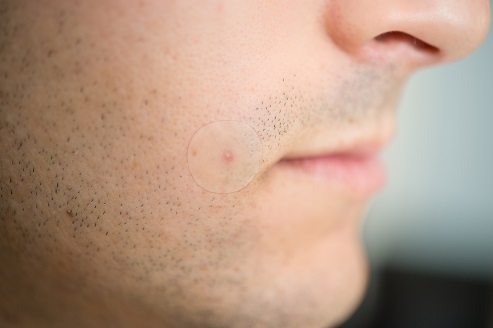
Do Hydrocolloid Bandages Really Help to Treat Acne?
Currently there is a buzz where many TikTok users’ videos feature the “hack” of using standard forms of hydrocolloid bandages available over the counter to help treat acne. Traditionally these bandages were used to treat minor cuts and blisters.
Read More »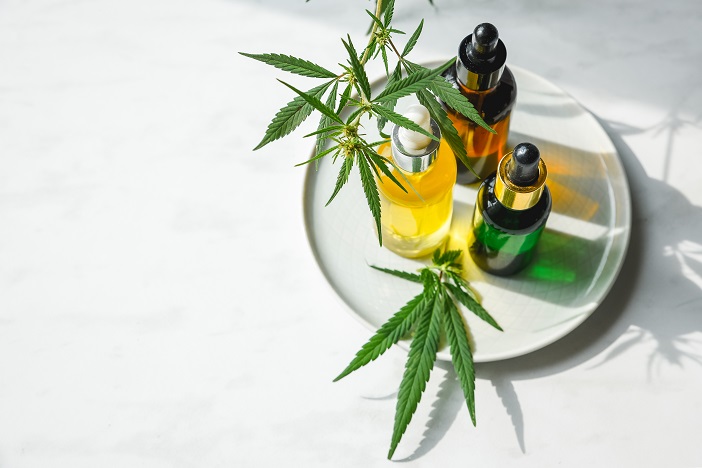
CBD Topicals for Pain Management and Skin Care
One of the fastest growing applications for CBD oil products today is pain management since, if proven effective, could offer a safer alternative to the potentially habit-forming medications often used to treat chronic pain.
Read More »- 1
- 2 (current)
- 3
- 4
- 5
